

The Pros and Cons of Different Types of Retainers
Getting your braces off is a milestone worth celebrating, even though your orthodontic journey isn’t quite finished. Once your teeth have been moved into their ideal positions, the next phase begins: retention. Retainers keep your smile stable and prevent your teeth from drifting back to their old alignment. Today’s orthodontic patients can choose from several orthodontic retainer types, each with its own strengths, limitations, and ideal use cases.
Understanding the different types of retainers helps you make an informed decision about long‑term smile maintenance. Whether you’re considering a bonded wire, a classic Hawley retainer, or modern plastic retainers, this guide breaks down everything you need to know.
What Do Retainers Actually Do?
Teeth aren’t fixed directly into the jawbone. Instead, they’re supported by periodontal ligaments These are tiny elastic fibers that allow teeth to move during orthodontic treatment. After braces or clear aligners shift your teeth into new positions, these ligaments need time to reorganize and stabilize.
Even after stabilization, teeth naturally shift throughout life due to aging, chewing forces, nighttime grinding, and changes in facial structure. That’s why orthodontists recommend wearing a retainer long‑term, often nightly, to protect your investment and maintain your results.
Modern orthodontics typically uses three main types of retainers:
- Permanent (bonded) retainers
- Hawley retainers
- Clear plastic retainers (Essix‑style)
Below is an updated, detailed look at each option.
Permanent Retainers: Pros and Cons
Permanent retainers — also called bonded or fixed retainers — are thin metal wires attached to the back of the teeth, usually the lower front teeth. They’re bonded with the same dental cement used for braces brackets.
Pros of Permanent Retainers
No daily responsibility
- Because they’re fixed in place, you never have to remember to wear them. This makes them ideal for teens, busy adults, or anyone who might forget nightly wear.
Invisible from the outside
- Bonded to the back of the teeth, permanent retainers are discreet and undetectable in photos or conversation.
Comfortable and unobtrusive
- Once you adjust, you’ll barely notice the wire. There are no bulky acrylic pieces or trays to remove.
Long‑lasting
- With proper care, a bonded retainer can last many years and is inexpensive to repair if it becomes loose.
Cons of Permanent Retainers
More challenging oral hygiene
- Because the wire stays in place 24/7, brushing and especially flossing require extra effort. Most people need a floss threader or water flosser to clean effectively.
Risk of plaque buildup
- Food particles can get trapped around the wire, increasing the risk of tartar, gum irritation, and cavities if not cleaned thoroughly.
Possible minor shifting
- The wire is flexible, so while it prevents major movement, small shifts can still occur over time.
Permanent retainers are best for patients who want a low‑maintenance option and don’t mind the extra hygiene steps.
Hawley Retainers: Pros and Cons
Hawley retainers are the classic removable retainers made of acrylic and a metal wire that wraps around the front teeth. They’ve been used for decades and remain a reliable choice among orthodontic retainer types.
Pros of Hawley Retainers
Durable and long‑lasting
- With proper care, a Hawley retainer can last many years. The acrylic is sturdy, and the metal wire can be adjusted by your orthodontist if needed.
Customizable and fun
- Patients can choose from a wide range of colors, patterns, and even glitter. Kids and teens often enjoy personalizing their retainer.
Easy to clean
- Because they’re removable, you can brush them thoroughly or soak them in denture cleaner.
Allows natural bite contact
- Unlike some plastic retainers, Hawley retainers don’t cover the biting surfaces of the teeth, which some orthodontists prefer for long‑term bite stability.
Cons of Hawley Retainers
Visible metal wire
- The front wire is noticeable, which may bother patients who want a completely invisible option.
Bulky feel at first
- The acrylic plate can take time to get used to, and some people experience temporary changes in speech or increased saliva.
Easy to lose or damage
- Because they’re removable, Hawley retainers can be misplaced and dogs notoriously love chewing on them.
Hawley retainers are ideal for patients who want durability and adjustability and don’t mind a slightly more visible appliance.
Clear Plastic Retainers (Essix): Pros and Cons
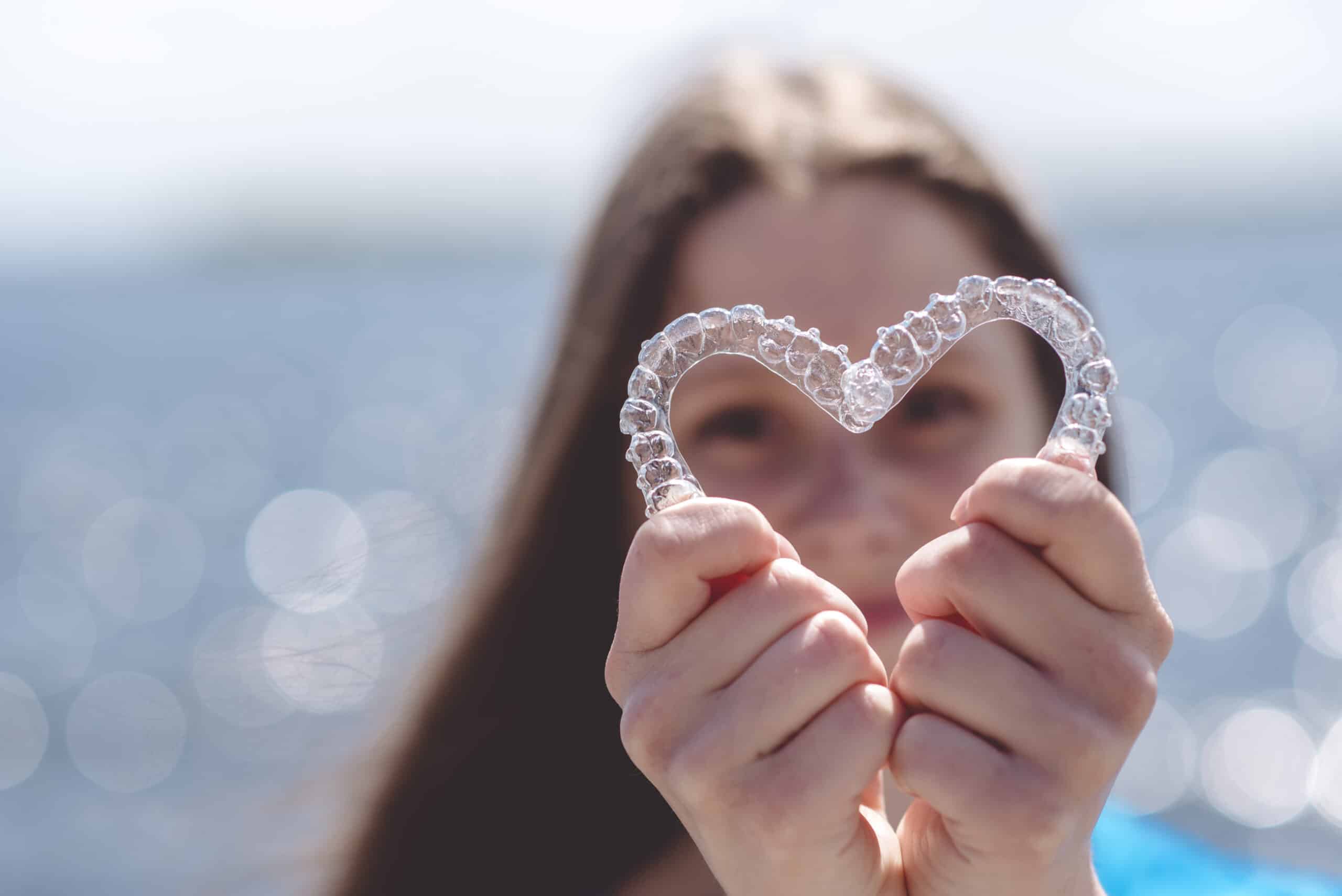
Clear plastic retainers, often called Essix retainers, are one of the most popular types of retainers today. They look similar to Invisalign trays and are molded to fit snugly over your teeth.
Pros of Clear Plastic Retainers
Nearly invisible
- These plastic retainers are transparent and discreet, making them a favorite among adults and image‑conscious teens.
Excellent at preventing movement
- Because they fully wrap each tooth, they provide strong retention and help maintain precise alignment.
Comfortable and lightweight
- The smooth plastic is gentle on the cheeks and gums, and most people adapt quickly.
Removable for eating and cleaning
- Like Hawley retainers, they can be taken out for meals, brushing, and special occasions.
Cons of Clear Plastic Retainers
Less durable
- Essix retainers can crack, warp, or wear down. This can be a problem for people who grind their teeth. Most patients need replacements every 1–2 years.
Can slightly alter bite contact
- Because plastic sits between the teeth, some orthodontists avoid them for patients with complex bite issues.
More delicate cleaning requirements
- Toothpaste can scratch the plastic, so they must be cleaned with mild soap or retainer cleaner.
Clear plastic retainers are best for patients who want an invisible, comfortable option and don’t mind replacing them periodically.
Choosing the Best Retainer for You
When comparing different types of retainers, consider:
- Lifestyle — Are you likely to forget a removable retainer?
- Aesthetics — Do you prefer invisible options?
- Durability — Do you grind your teeth or play sports?
- Oral hygiene habits — Are you willing to floss around a bonded wire?
- Budget — Permanent retainers last longer; plastic retainers require more frequent replacement.
Your orthodontist will recommend the best option based on your bite, alignment, and long‑term goals.
Contact a Las Vegas Orthodontist
No matter which orthodontic retainer type you choose, consistency is the key to maintaining your smile. Teeth naturally shift over time, but wearing your retainer as instructed protects the investment you made in orthodontic treatment.If you need braces, retainers, or a consultation about which retainer is right for you, our Las Vegas orthodontist is here to help you keep your smile looking its best.