

Orthodontist for Adults: Why More Adults Are Getting Braces
Braces aren’t just for teenagers anymore. More adults are exploring orthodontic treatment to improve their smiles, correct bite problems, and protect their long-term oral health. Whether you’ve noticed your teeth shifting over time or have always wanted a straighter smile, it’s never too late to explore your options.
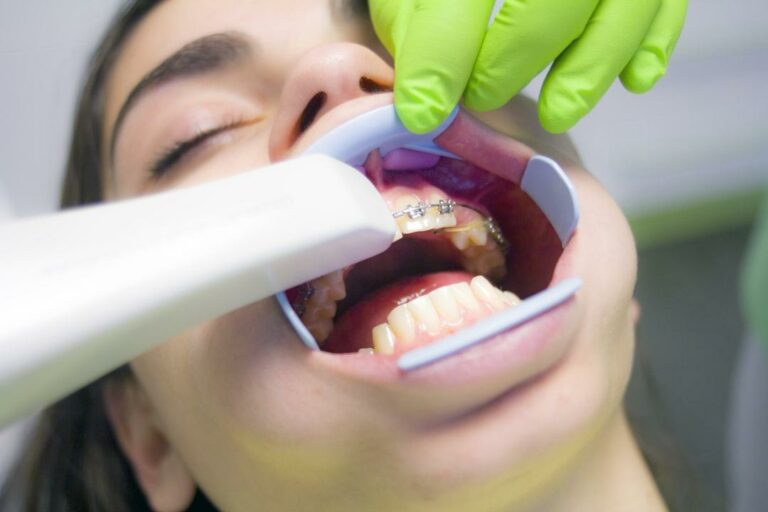
An orthodontist for adults can evaluate your teeth, jaw alignment, and bite to determine which treatment options may work best for you. With options ranging from traditional braces to clear aligners, adult orthodontic treatment can fit a variety of dental needs, lifestyles, and personal preferences.
Why Are More Adults Getting Braces?
Adults choose orthodontic treatment for several reasons from cosmetic improvements to better dental function. Advances in orthodontic technology have also made treatment more accessible and convenient for people balancing work, family, and other responsibilities.
4 Reasons Adults Get Braces
Here are some of the most common reasons adults decide to straighten their teeth.
1. They Want to Improve Their Smile
One of the biggest reasons adults pursue orthodontic treatment is to feel more confident about their smiles. Crooked, crowded, or unevenly spaced teeth can affect how someone feels about their appearance, even if those concerns have been present for years.
Orthodontic treatment gradually moves teeth into better alignment, helping create a more balanced smile. Some adults choose treatment because they’ve always wanted straighter teeth, while others notice changes in their smiles as they get older.
Braces can be a worthwhile investment in both appearance and confidence, regardless of your age.
2. Their Teeth Have Shifted Over Time
Even adults who had braces as teenagers may notice their teeth shifting years later. Teeth naturally move throughout life, and changes in alignment can occur if retainers aren’t worn as directed or if other factors affect the teeth and supporting tissues.
Crowding, gaps, and overlapping teeth can gradually become more noticeable. An orthodontic evaluation can help determine why your teeth have shifted and whether treatment is appropriate.
Depending on the extent of the movement, an orthodontist may recommend braces, clear aligners, or another approach to restore alignment. After treatment, wearing a retainer as directed helps maintain the results.
3. They Want to Correct Bite Problems
Orthodontics isn’t only about straight teeth. The way your upper and lower teeth fit together also affects your oral health and everyday comfort.
Common bite problems include overbites, underbites, crossbites, and open bites. Depending on their severity, these issues may contribute to uneven tooth wear, difficulty chewing, or challenges keeping certain areas clean.
An orthodontist can assess your bite and recommend treatment based on your individual needs. Correcting alignment and bite issues may improve dental function and help reduce certain risks associated with uneven tooth contact. However, treatment recommendations depend on the specific problem and your overall oral health.
4. They Want to Make Oral Hygiene Easier
Crowded or overlapping teeth can make brushing and flossing more difficult. When a toothbrush or floss cannot easily reach certain surfaces, plaque may accumulate in those areas.
Straightening crowded teeth can improve access to some areas of the mouth, making daily oral hygiene easier. However, orthodontic treatment doesn’t replace regular brushing, flossing, professional cleanings, or other preventive dental care.
If you struggle to clean between crowded teeth, an orthodontic consultation can help you understand whether improving alignment may benefit your oral health.
What Are the Best Braces for Adults?
The best orthodontic treatment for an adult depends on the type and severity of the alignment problem, personal preferences, budget, and treatment goals. An orthodontist can explain which options are appropriate for your situation.
Traditional Metal Braces
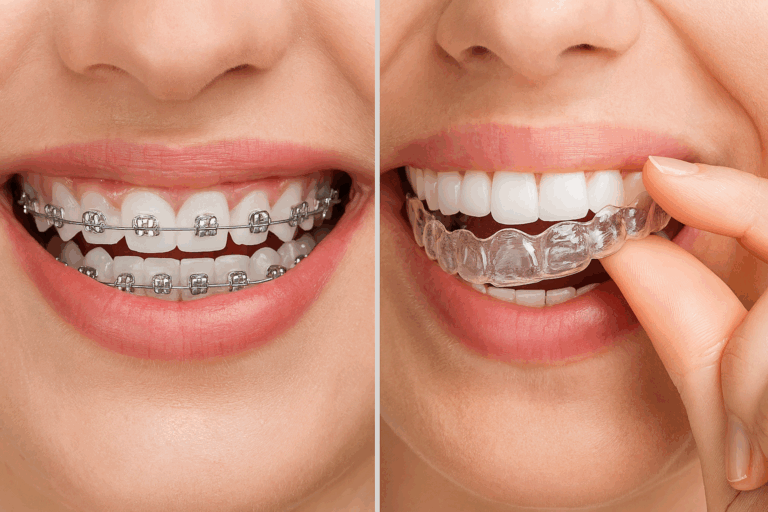
Traditional metal braces use brackets and wires to move teeth gradually into their desired positions. They can address a wide range of orthodontic problems, including many complex alignment and bite issues.
Modern braces are designed with comfort and effectiveness in mind. Patients can also personalize their appearance with different braces colors, making treatment feel a little more individual.
Ceramic Braces
Ceramic braces work similarly to traditional metal braces but use tooth-colored or less noticeable brackets. They may appeal to adults who want a fixed orthodontic appliance that blends in more with their teeth.
Although ceramic braces are less conspicuous, they still require careful cleaning and regular orthodontic appointments. Your orthodontist can help determine whether they’re suitable for your treatment needs.
Clear Aligners
Clear aligners use a series of removable, transparent trays to gradually move teeth. Many adults appreciate that aligners are less noticeable than traditional braces and can be removed for eating, brushing, and flossing.
However, aligners generally need to be worn for the prescribed amount of time each day to work as intended. They may not be appropriate for every orthodontic problem, so a professional evaluation is essential.
Is It Too Late to Get Braces as an Adult?
No. Healthy adults can receive orthodontic treatment at many different ages. There is no upper age limit for braces, provided your teeth, gums, and supporting bone are healthy enough for treatment.
Adult orthodontic treatment does require careful planning. Gum disease, untreated cavities, bone loss, and certain other dental concerns may need to be addressed before teeth can be moved safely. Your orthodontist may coordinate with your general dentist or a periodontal specialist when necessary.
Treatment time also varies. Some adults need only minor alignment corrections, while others require more extensive treatment to address complex bite problems. Your orthodontist can provide an estimated timeline after evaluating your teeth and developing a treatment plan.
How Do Adults Maintain Their Results After Braces?
Retainers are an essential part of maintaining orthodontic results. Once braces are removed or aligner treatment is complete, teeth can gradually shift toward their previous positions without proper retention.
Your orthodontist will recommend a retention plan based on your treatment and individual needs. Options may include clear retainers or other removable or fixed appliances. Understanding the different types of retainers can also help you learn how retention works and why following your orthodontist’s instructions matters.
Retainers are typically needed long term, although the recommended wearing schedule can vary. Consistent use helps preserve the alignment achieved during treatment.
How to Choose an Orthodontist for Adults
Choosing the right provider is an important step toward achieving a healthy, confident smile. Look for a Las Vegas orthodontist who can explain your treatment options, discuss the benefits and limitations of each approach, and develop a plan tailored to your needs.
During a consultation, consider asking:
- Which treatment options are appropriate for my teeth and bite?
- How long is treatment likely to take?
- What will treatment cost, and what payment options are available?
- How often will I need appointments?
- What will I need to do to maintain my results?
A good consultation should leave you with a clear understanding of your options and the next steps, without pressure to commit before you’re ready.
Is Adult Orthodontic Treatment Worth It?
For many adults, orthodontic treatment offers benefits that go beyond a straighter smile. Depending on your needs, it may improve bite function, address crowding, make certain areas easier to clean, and help you feel more confident about your appearance.
The right approach starts with understanding your dental health and treatment goals. If you’ve been putting off orthodontic treatment because you think you’re too old for braces, an evaluation can help you discover what’s possible.
Ready to explore your options? Schedule a consultation with Hansen Orthodontics to discuss your concerns, learn which treatments may be right for you, and take the first step toward a healthier, more confident smile.